
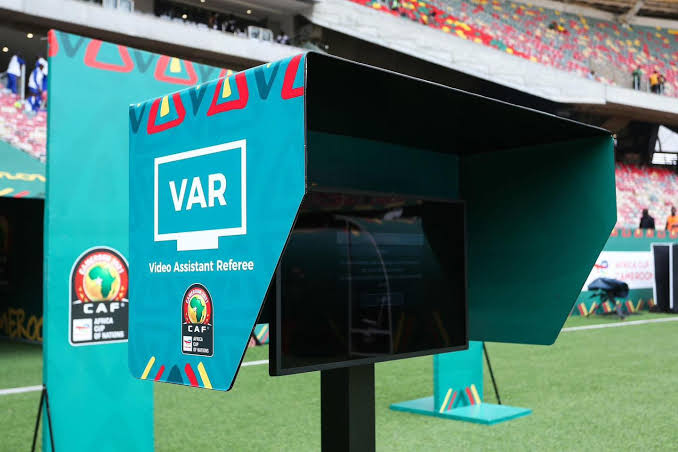
CAF VAR Expansion: Nigerian clubs could get video review from group stage
Nigerian clubs competing in CAF inter-club competitions could soon benefit from the use of Video Assistant Referee (VAR) technology from the group stage if the Confederation of African Football approves a proposal currently under consideration.
The proposed VAR expansion would see the technology deployed from the group phase through to the final of both the CAF Champions League and CAF Confederation Cup, representing a significant change from the existing arrangement.
At present, VAR is introduced from the quarter-final stage of the two major CAF club competitions.
If approved, the new system would give Nigerian representatives access to video review technology much earlier in their continental campaigns, potentially reducing the impact of major officiating errors in crucial group-stage fixtures.
The proposal is particularly significant because qualification from the group stage is often decided by narrow margins, with a single penalty, red card, disallowed goal or other contentious decision capable of determining a club’s progression to the knockout rounds.
For Nigerian clubs, earlier VAR intervention could therefore provide an additional layer of protection against potentially decisive refereeing errors while also enhancing confidence in the fairness and credibility of CAF competitions.
The discussions form part of CAF’s wider efforts to improve refereeing standards and modernise officiating across its competitions.
However, the proposed expansion is yet to receive final approval, with CAF expected to examine the practical implications of deploying VAR across a considerably larger number of matches.
One of the major considerations will be the financial cost of expanding the technology beyond the knockout stages.
CAF would also need to provide adequate VAR equipment, trained video match officials, technical personnel and operational support across several venues and countries.
Infrastructure is another potential challenge, particularly given the varying standards of stadiums, broadcast facilities and technological capabilities across the continent.
The successful implementation of VAR requires reliable broadcast feeds and appropriate technical infrastructure, making venue readiness a critical factor in CAF’s assessment.
Despite the challenges, an expansion of VAR to the group stage would represent another major step in CAF’s drive to modernise African football and improve the quality of match officiating.
For Nigerian clubs, the potential reform could be particularly valuable as they seek to compete more effectively against the continent’s leading teams.
The presence of VAR could also help reduce controversy surrounding critical decisions in matches involving Nigerian representatives, especially when qualification places are at stake.
CAF President Patrice Motsepe’s administration has continued to pursue initiatives aimed at improving standards across African football, with refereeing and technology forming an increasingly important part of the confederation’s development agenda.
If eventually approved, the group-stage rollout would ensure that clubs no longer have to wait until the quarter-finals before receiving the benefits of VAR assistance.
For now, however, Nigerian clubs will have to wait for CAF’s final decision as consultations continue over whether the expansion can be implemented effectively, consistently and sustainably.
The proposed reform, if adopted, could ultimately reshape the officiating landscape of African club football and provide Nigerian representatives with a significant technological boost in their continental campaigns.


