
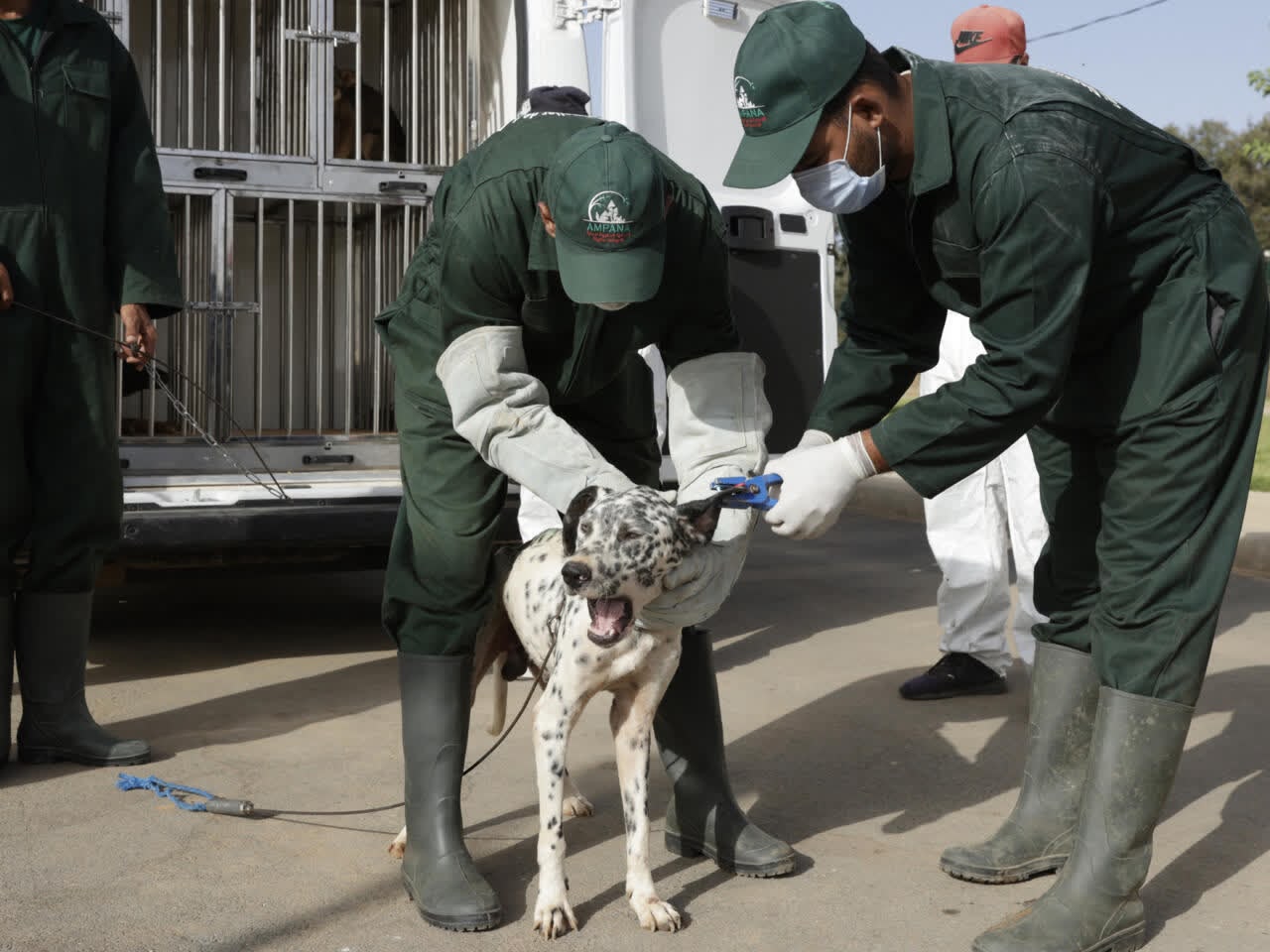
Morocco enacts new law on stray animals ahead of 2030 World Cup
Morocco has introduced a new legal framework governing the protection and management of stray animals, with the legislation coming into force on Friday, August 14, just days after it was promulgated on August 10.
Law No. 19.25 places the management of stray dogs and cats under a national system designed to combine animal welfare with the prevention of public health risks.
The legislation, which was previously approved by both chambers of Parliament, received 74 votes in favour and 21 abstentions in the House of Representatives, with no opposition votes. It was presented by Minister Delegate for Relations with Parliament and Government Spokesperson Mustapha Baitas on behalf of Agriculture Minister Ahmed Bouari.
According to the government, the new law is intended to replace fragmented local interventions with a unified national framework. It provides for the establishment and regulation of animal reception and care centres, an animal registration system and the creation of a national database.
The legislation comes at a sensitive time for Morocco, less than four years before the country co-hosts the 2030 FIFA World Cup with Spain and Portugal. The treatment of stray animals, particularly dogs, has attracted growing international attention as preparations for the tournament intensify.
Foreign media reports and animal welfare organisations have accused Moroccan authorities of carrying out campaigns to eliminate stray dogs in an effort to reduce their presence in cities ahead of the World Cup. The allegations have generated international criticism and increased scrutiny of Morocco's approach to animal welfare.
Moroccan authorities have rejected such criticism and maintain that their strategy is centred on animal protection, sterilisation and care.
The new law seeks to formalise that approach while retaining a strong public health component. It aims to reduce the risk of diseases transmitted by stray animals and clearly define the responsibilities of the various authorities involved in their management.
It also establishes rules governing the creation and operation of animal reception facilities and outlines the powers of officials responsible for identifying and recording violations.
The legislation represents a significant regulatory response to an issue that has increasingly attracted attention beyond Morocco's borders. However, its effectiveness will ultimately depend on how it is implemented.
Key challenges include expanding sterilisation programmes, securing adequate funding, establishing more reception and care centres, strengthening the role of local authorities and ensuring that practices criticised by animal welfare groups are effectively replaced.
With the 2030 World Cup approaching, Morocco's handling of stray animals is likely to remain under international scrutiny. The implementation of Law No. 19.25 could therefore have implications not only for animal welfare and public health but also for the country's international image and its ability to meet the standards it has pledged to uphold.
Join the Savid News channel on WhatsApp:


