
ADC Crisis Deepens: Obi–Kwankwaso Alliance Weighs PRP, NDC Options Ahead of 2027 Elections
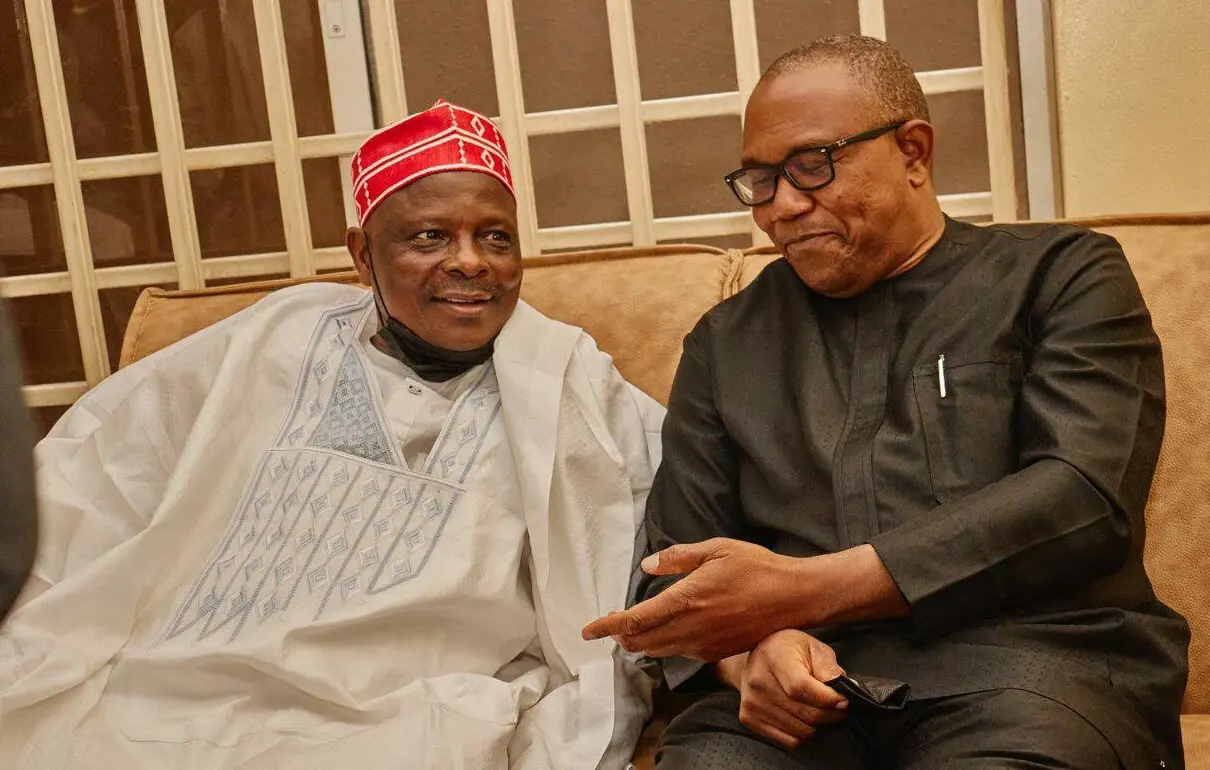
Fresh political realignments may be underway in Nigeria’s opposition landscape ahead of the 2027 general elections, as loyalists of Peter Obi and Rabiu Musa Kwankwaso intensify pressure for a strategic exit from the African Democratic Congress (ADC).
Sources indicate that the emerging Obi–Kwankwaso alliance, popularly dubbed the “OK Movement,” is actively exploring alternative political platforms amid lingering legal and leadership uncertainties within the ADC.
ADC Uncertainty Triggers Strategic Shift
The recalibration follows a recent ruling by the Supreme Court of Nigeria on the ADC leadership dispute. While the court reportedly recognised a faction led by David Mark, it also directed parties back to the Federal High Court for continuation of substantive proceedings—an outcome widely viewed as inconclusive.
Political insiders say the judgment has heightened concerns over the party’s legal certainty and structural stability as a platform for 2027.
“There is apprehension that unresolved litigation could affect candidate nomination timelines and party legitimacy,” a source familiar with the discussions revealed.
Concerns are further compounded by claims among some stakeholders that Atiku Abubakar, the 2023 presidential candidate of the Peoples Democratic Party (PDP), may exert significant influence within the ADC, potentially shaping its internal dynamics ahead of the next election.
PRP, NDC Emerge as Key Alternatives
Amid the uncertainty, key figures within the bloc are reportedly weighing options including the Peoples Redemption Party (PRP) and the Nigeria Democratic Congress (NDC).
The PRP recently welcomed Yusuf Datti Baba-Ahmed, Obi’s 2023 running mate, further strengthening its appeal as a potential coalition platform.
Meanwhile, the NDC is being promoted by former Bayelsa State Governor Henry Seriake Dickson as part of broader efforts to build a formidable opposition front.
Sources say consultations are ongoing, with multiple platforms reaching out to both Obi and Kwankwaso in a bid to host a united ticket.
“The objective is to build a coalition early and avoid last-minute legal or structural crises,” another insider noted.
Kwankwaso’s Next Move in Focus
Unconfirmed reports suggest Kwankwaso may be considering a move to the NDC, with plans to convene a high-level stakeholders’ meeting in Kano—a development seen as potentially decisive.
He is also said to have recently hosted NDC leaders in Abuja, including the party’s North-West leadership, to discuss possible alignment ahead of 2027.
However, Kwankwasiyya spokesperson Habibu Mohammed confirmed that while consultations are ongoing, no final decision has been reached.
Coalition Momentum Builds
Momentum for the Obi–Kwankwaso alliance has continued to grow, particularly with the rise of the “OK Movement,” which is mobilising both grassroots and elite support for a joint presidential bid.
Campaign-style messaging circulating on X has amplified calls for unity, with supporters urging both leaders to align under a common political platform.
Analysts say such a coalition could significantly reshape Nigeria’s electoral landscape, given the strong showing of both candidates in the 2023 elections.
Opposition Faces Race Against Time
Observers argue that the unfolding scenario reflects deeper structural issues within opposition parties, including leadership disputes, fragmentation, and the absence of a cohesive national platform.
With consultations intensifying, attention is now focused on the outcome of ongoing engagements within the Kwankwasiyya movement and Obi’s support base.
While no formal defections have been announced, insiders believe the coming weeks will be critical in determining alliances and party alignments.
For now, the ADC’s legal uncertainty and the growing push for coalition politics appear to be driving a new phase of strategic repositioning—one that could redefine the dynamics of Nigeria’s 2027 general elections.


