
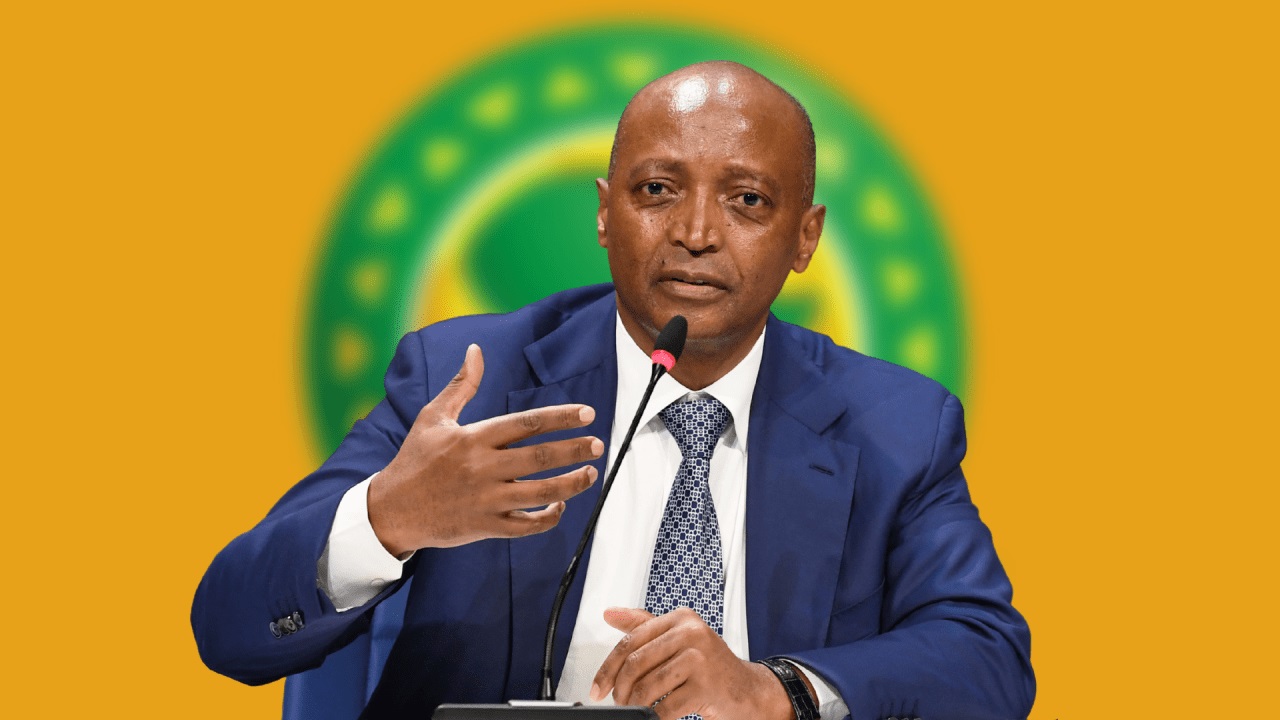
President Motsepe still has CAF confidence, Insiders dispute reports of growing discontent
Officials described as insiders within the Confederation of African Football (CAF) have rejected suggestions that confidence in president Patrice Motsepe’s leadership is waning amid reports of growing dissatisfaction among some African football administrators, Savid News understands.
The response follows a report by The Guardian suggesting that some officials across African football have become increasingly unhappy with Motsepe’s leadership, raising questions about the direction of the continental governing body.
The report also linked former Cameroon international Samuel Eto’o and other influential figures to possible discussions about who could succeed Motsepe as CAF president.
However, CAF insiders have disputed the suggestion that dissatisfaction has developed into a broader loss of confidence in the South African businessman, according to a report by BSNSports.com.ng published on Thursday, October 15.
Motsepe assumed office in March 2021 and was re-elected in 2025. He has since confirmed that he will not seek a third term when his current tenure ends in 2029, placing the question of succession increasingly on the agenda.
The succession discussion has drawn attention to several prominent figures in African football, including Eto’o, who currently heads the Cameroon Football Federation. However, being mentioned in discussions about a potential race does not amount to a formal declaration of candidacy.
The disagreement over Motsepe’s standing comes as CAF continues to review key aspects of its competitions and administration.
At a strategy conference in Cabo Verde earlier this month, Motsepe said CAF was considering whether to return the Africa Cup of Nations to a biennial schedule after previously announcing a move to a four-year cycle. The discussions reflect continuing debate over the competition’s format and its place in the international football calendar.
CAF has also pursued reforms aimed at improving its financial position, governance and the commercial value of African football competitions. The impact of these measures, alongside decisions on tournament structures and prize money, remains part of the broader discussion surrounding Motsepe’s tenure.
While reports of dissatisfaction have fuelled speculation about the future leadership of African football, the latest response from CAF insiders challenges the portrayal of a widespread collapse in support for the incumbent president.
The extent of any discontent among member associations has not been established publicly, and the competing accounts underline the need to distinguish between reported concerns among some officials and evidence of a broader shift in support.
With Motsepe ruling out a third term, attention is likely to remain on the future leadership of CAF and the priorities that will shape African football in the years leading up to the 2029 presidential election.


