
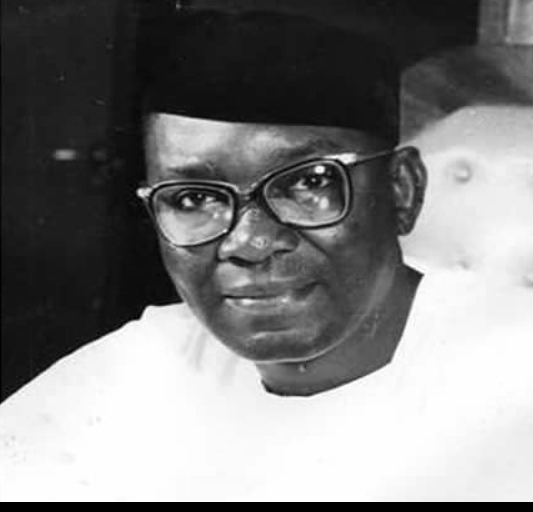
Azikiwe Made Key Sacrifices for Nigeria’s Unity — Ex-Niger Governor
Former Niger State Governor, Dr. Mu’azu Babangida Aliyu, says Nigeria’s first President, Dr. Nnamdi Azikiwe, made critical political compromises that contributed to the country’s survival and unity during its most fragile periods.
Aliyu stated this on Sunday at the sixth Annual Dr. Nnamdi Azikiwe Award Lecture, held in Abuja as part of activities marking Azikiwe’s 121st posthumous birthday. The lecture was themed “The Power of Pan-African Unity: Strengthening Nigeria’s Role in African Integration and Development.”
Aliyu, who chaired the National Planning Committee of the event, said Nigeria’s early post-independence years were marked by tensions that threatened the young federation. He noted that Azikiwe’s pragmatic alliances helped avert national disintegration.
“Zik was a Nigerian even before independence. As a realist, he compromised to ensure the nation’s survival,” Aliyu said. He recalled Azikiwe’s political collaborations with the Northern People’s Congress before the 1966 coup and later with the National Party of Nigeria in the Second Republic, saying those decisions strengthened national cohesion.
Aliyu urged Nigerians to show love for the country despite its challenges, stressing that patriotism is a core value taught in all religious doctrines and exemplified by Azikiwe.
Delivering the keynote address, Chairman of the Code of Conduct Tribunal, Prof. Mainasara Umar-Kogo, called for a moral rebirth and renewed Pan-African commitment. He said Africa’s progress has been undermined by leadership failures, corruption and disunity, despite the legacies of figures like Azikiwe, Kwame Nkrumah and Nelson Mandela.
“A house divided by ethnic strife cannot endure. A corrupt Nigeria cannot inspire Africa,” Umar-Kogo said, warning that Nigeria must “put its house in order” to play its expected leadership role on the continent.
He stressed that unity must be grounded in justice, and urged Nigerian leaders to embrace integrity, courage and service. According to him, modern leaders driven by greed have deviated from the ideals upheld by the nation’s founding fathers.
Director-General of the award committee, Chief Chineme Onyeke, said the annual lecture seeks to preserve and advance the ideals of national heroes. He announced plans to establish the Zik Centre for Leadership and African Studies and appealed to the Federal Government to allocate land for the project.
Prof. Uche Azikiwe, widow of the late statesman, commended the organisers and advocated better documentation of Nigeria’s history. She said many young Nigerians are unaware of the nation’s foundations or Azikiwe’s contributions.
Born in 1904 in Zungeru, Niger State, Azikiwe became one of Africa’s most influential nationalists. He founded the West African Pilot newspaper in 1937, co-founded the National Council of Nigeria and the Cameroons, served as Premier of the Eastern Region, and later as Senate President, Governor-General and President of Nigeria. He died on May 11, 1996.


