
FIBA Africa Zone 3 unveils ambitious 2027 calendar, prioritises grassroots Basketball development
FIBA Africa Zone 3 has unveiled an ambitious programme for the 2027 basketball season, placing grassroots development, youth competitions, capacity building and improved governance at the centre of its regional agenda.
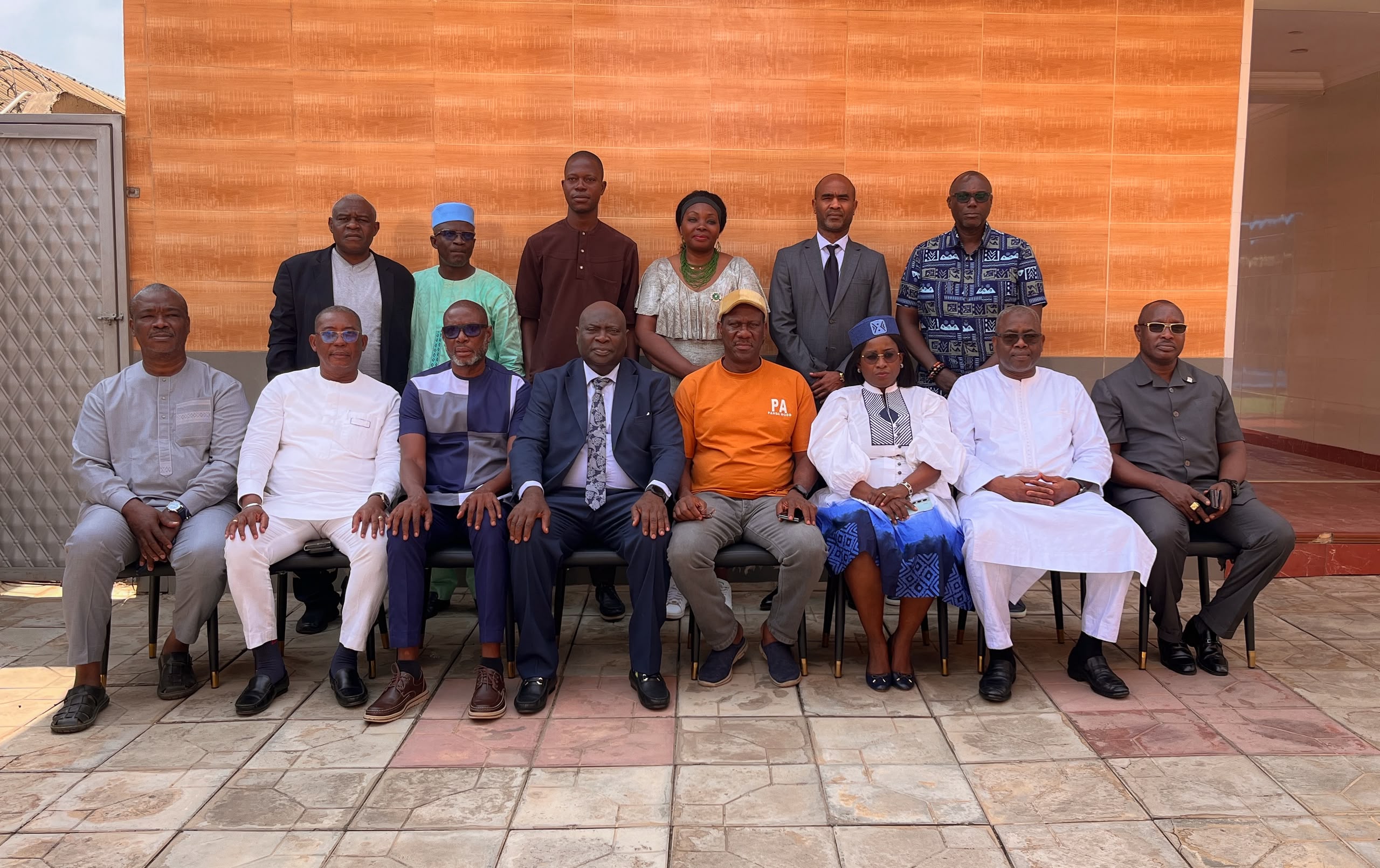
The programme was announced following the Zone's Annual General Meeting (AGM) and Congress held in Accra, Ghana, on Saturday, November 21, 2026, under the theme, 'Grassroots Development, Governance and Synergy'.
The meeting brought together representatives of the eight national federations in the zone: Benin Republic, Burkina Faso, Côte d'Ivoire, Ghana, Liberia, Niger Republic, Nigeria and Togo.
Led by Zone President Col. Sam Ahmedu (Rtd), the congress marked the first physical gathering of the Zone Board and national federation representatives since the COVID-19 restrictions in 2020.
Stakeholders reviewed the zone's activities under the 2023–2027 administration and agreed on strategies to strengthen basketball development across the region.
Key priorities included youth development, capacity building for technical officials, harmonisation of competition calendars, increased participation in FIBA and Zone 3 events, and improved governance practices.
One of the major outcomes of the congress was the early adoption of the 2027 calendar, which features competitions, training camps and development initiatives across several member countries.
Activities will begin in February with a virtual meeting involving Board members and national federations.
The West Africa Basketball Championship (WABC), an initiative of the Olumide Oyedeji Basketball Foundation launched in 2025, is also scheduled to hold between February and April 2027. The competition is expected to provide another platform for club-level basketball development and regional competition in West Africa, complementing the Zone 3 programme.
In April, Accra will host the FIBA Africa Zone 3 U-16 Afrobasket Qualifiers for boys and girls.
Youth development activities will continue between May and June with boys' and girls' camps organised in partnership with the Jordan Nwora Foundation and the national federations of Burkina Faso, Togo and Nigeria. Ghana will remain on standby as a potential partner.
Also scheduled for May is Patlor's Camp in Abidjan, Côte d'Ivoire. The initiative, led by Payricia Lorougnon, Head of the FIBA Africa Development Council, will target girls aged between nine and 14 as part of efforts to encourage early participation in basketball.
The calendar also includes the Afrobasket Women Qualifiers, although the venue and dates are yet to be confirmed.
In September, Togo will host the FAZ3 Men's and Women's Tournament Finals, alongside the Zone's AGM and Congress.
October will feature the Zone 3x3 event, tagged 'Togo Playground', in partnership with FTNB, Togo, as well as the Women's Basketball League Africa (WBLA) Zone Qualifiers, for which Nigeria and Côte d'Ivoire have been listed as possible hosts.
The season will conclude in December with the FAZ3 Mini Basketball Festival in Burkina Faso.
Beyond the competition programme, the Accra congress also opened opportunities for partnerships with Webber Engineering Nigeria Ltd, Sports Rites of Ghana, APL Inc and SHANGO, a sports technology application designed to monitor the growth and development of young athletes.
As part of its commitment to basketball development in the region, Webber Engineering donated basketballs and basketball rims to all eight national federations to support their grassroots and development activities.
Speaking after the congress, Ahmedu expressed satisfaction with the outcome of the meeting, describing the physical gathering as an important opportunity for stakeholders to engage directly and establish a common direction for basketball development.
He noted that agreeing on the 2027 programme well ahead of the new season would give member federations sufficient time to prepare, improve coordination and deliver on the zone's development objectives.
With grassroots basketball at the heart of its plans, FIBA Africa Zone 3 is targeting 2027 as a significant year for youth participation, regional cooperation and the overall growth of the game across its eight member countries.


