
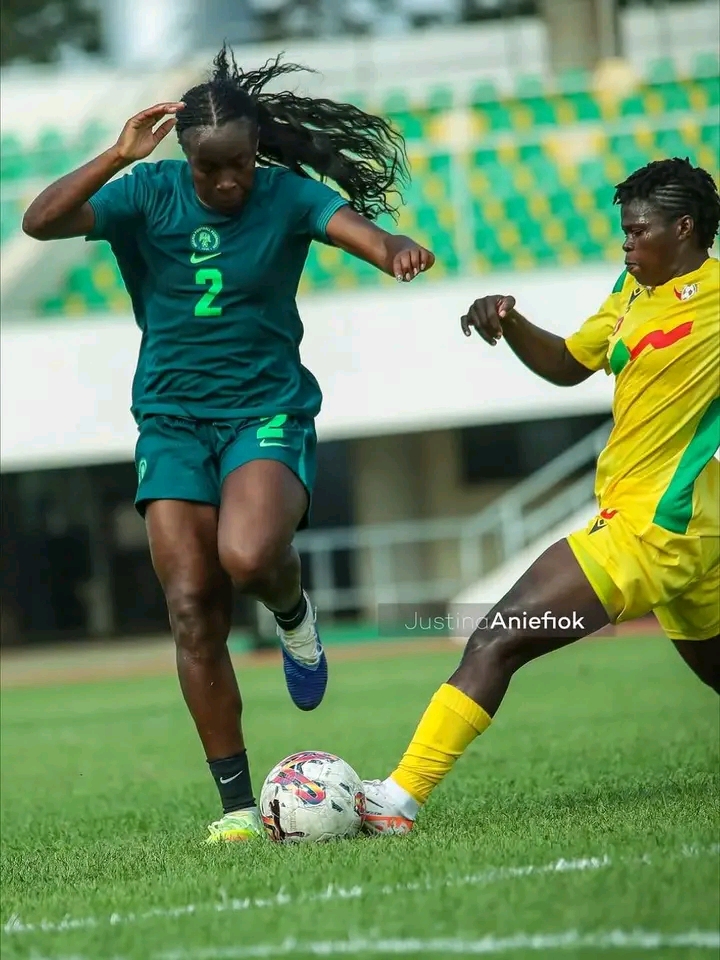
Four-Nation tournament cancelled as WAFCON 2026 build-up stalls for Super Falcons
Preparations for the Women’s Africa Cup of Nations (WAFCON) 2026 have been thrown into uncertainty following the cancellation of a proposed four-nation invitational tournament involving the Nigeria women’s national football team, the Super Falcons.
The tournament, which was to feature Ghana, Senegal, and Ivory Coast—the latter hosting the event—alongside Nigeria, was expected to provide a critical platform for match practice, tactical experimentation, and team cohesion ahead of the continental showpiece. However, logistical challenges and coordination setbacks led to its cancellation, leaving preparations for the Super Falcons in disarray.
The disruption comes ahead of WAFCON 2026, scheduled to be hosted by Morocco for the first time, with an expanded 16-team finals format up from 12. Running from 17 March to 3 April 2026, the tournament also serves as part of the African qualification pathway for the 2027 FIFA Women’s World Cup, making adequate preparation essential for teams aiming to compete on the global stage. Morocco’s hosting represents a milestone in African women’s football, with modern stadiums in Rabat, Casablanca, and Fez poised to showcase the continent’s top talent.
Since their WAFCON qualifying clash against Benin last October, the Super Falcons have yet to reconvene, leaving players without competitive football for months. Frustration boiled over in December’s FIFA window, when the athletes took to social media to protest their inactivity, highlighting not only the lack of fixtures but also the broader issues surrounding their treatment, recognition, and support. Despite being Africa’s most successful women’s national team, the Super Falcons continue to face delays, logistical uncertainties, and inconsistent institutional backing, raising questions about how top athletes are managed even as they bring continental glory to Nigeria.
The cancellation of the four-nation tournament has intensified concerns that the team’s chances to defend a record 10th WAFCON title and secure qualification for the 2027 FIFA Women’s World Cup may be compromised. Analysts and fans worry that prolonged inactivity will undermine match fitness, tactical sharpness, and squad cohesion at a crucial moment, potentially diminishing Nigeria’s dominance in women’s football.
The players’ social media outcry has also shone a light on systemic inequities in the treatment of female footballers compared to their male counterparts—issues that include limited access to training camps, delays in allowances and bonuses, and insufficient preparation opportunities. These problems are especially troubling considering the Super Falcons’ record of excellence on the continental stage, which includes nine WAFCON titles and consistent representation at the FIFA Women’s World Cup.
In usual response, the Nigeria Football Federation is reportedly exploring alternative friendlies during the next FIFA window to restore momentum and competitive exposure. However, time is short, and swift, decisive action is required to ensure that the Super Falcons receive the preparation, support, and recognition they deserve ahead of WAFCON 2026.
With expectations high, the team’s readiness for Morocco hinges not just on fixtures, but also on the institutional respect and resources necessary to maintain their historic dominance, defend their WAFCON crown, and compete effectively on the global stage.
Join the Savid News channel on WhatsApp:


