
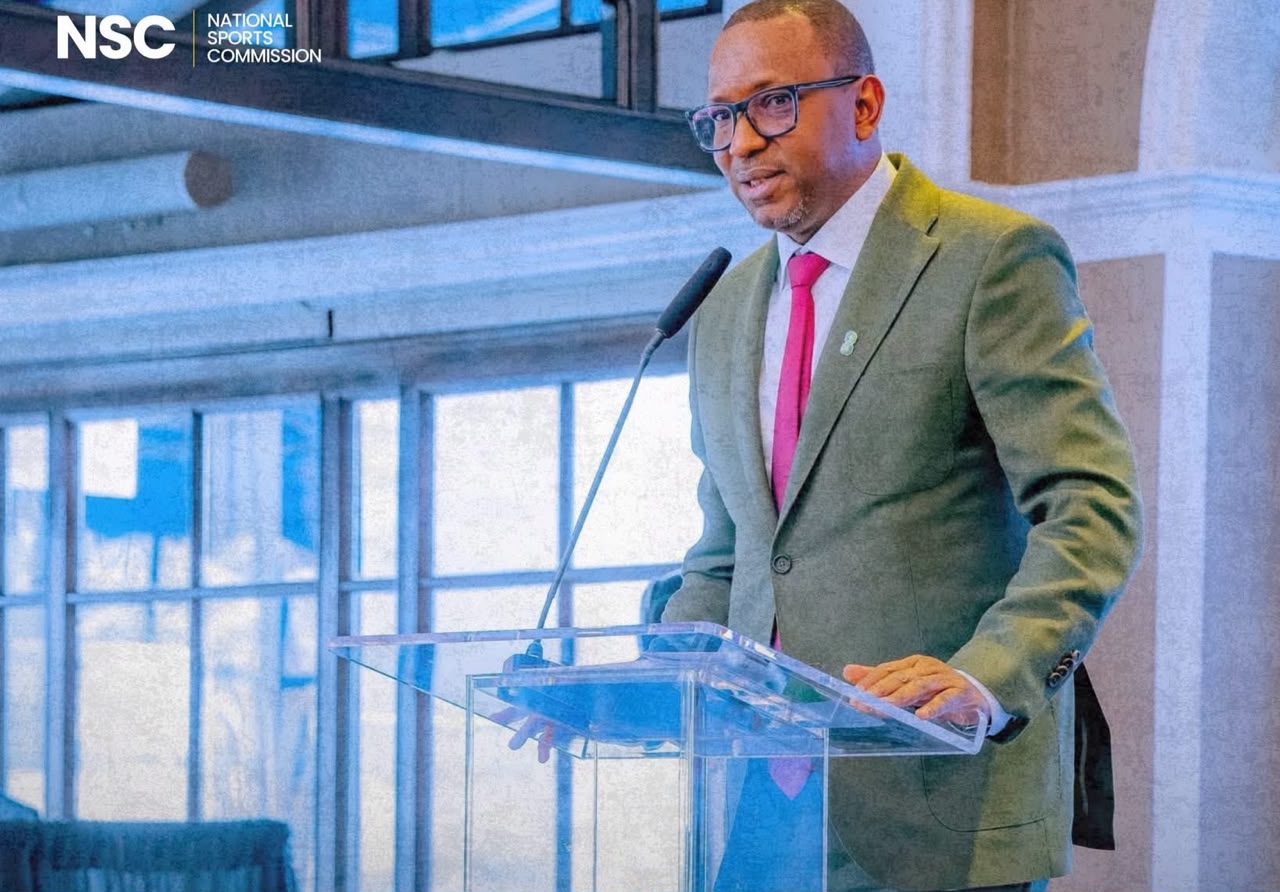
Shehu Dikko explains why FIFA supports NFF reform, proper statutory process
FIFA has endorsed Nigeria’s plan for comprehensive reforms of the country’s football administration following the mass resignation of the Nigeria Football Federation (NFF) leadership, National Sports Commission (NSC) Chairman Shehu Dikko has disclosed.
Dikko made the disclosure after renewed engagements with FIFA and the Confederation of African Football (CAF) over the leadership crisis and the proposed restructuring of Nigerian football.
According to the NSC chairman, FIFA accepted the resignation of the NFF president, general secretary and members of the Executive Committee, while also agreeing that reforms are necessary to address the vacuum created by the unprecedented development.
He explained that the resignation of the entire leadership exposed a gap in the NFF statutes because the existing framework did not clearly provide for a situation in which the president, general secretary and Executive Committee members would leave office simultaneously.
“After the resignation of the entire board of the NFF and the General Secretary, naturally we have a lacuna, because there was no provision in the rulebook for situations like that,” Dikko said.
Dikko said the Nigerian government subsequently presented its reform proposals to FIFA, with the discussions covering the broader structure and administration of football in the country.
He said FIFA agreed with the need for reform but made it clear that any transition must be conducted in accordance with the relevant statutes, regulations and established procedures.
“In short, FIFA endorsed the resignation, endorsed reform, agreed that the reform must happen, but it has to go through the proper process and the rulebooks,” Dikko said.
The development follows the August resignation of NFF President Ibrahim Musa Gusau, General Secretary Mohammed Sanusi and members of the federation’s Executive Committee, which left the football administration facing an unusual leadership vacuum.
Following the resignations, Emmanuel Ikpeme was appointed acting NFF General Secretary, while Ademola Olajire assumed the role of acting Deputy General Secretary as an interim administrative structure was put in place.
The reform process has since involved consultations with FIFA, CAF and a broad range of Nigerian football stakeholders. A FIFA/CAF governance assessment mission held consultations in Abuja with the NFF administration, State Football Associations, league bodies, players, coaches, referees, clubs, sponsors, supporters and the media.
Dikko said the objective is to establish a more comprehensive and properly structured football administration capable of operating within the relevant football statutes while addressing longstanding governance concerns.
Earlier reports indicated that FIFA could establish an independent normalisation committee as part of the transition process. Dikko stressed that such a body would not be appointed solely by the Nigerian government, with its mandate and composition requiring engagement with FIFA.
The latest position also comes after FIFA and CAF completed their assessment of the NFF crisis, with stakeholders presenting differing views on the proposed reforms and the future structure of the federation.
The process is therefore expected to continue through further consultations aimed at producing a roadmap for short-, medium- and long-term reforms and, ultimately, an inclusive and stable NFF administration.


