
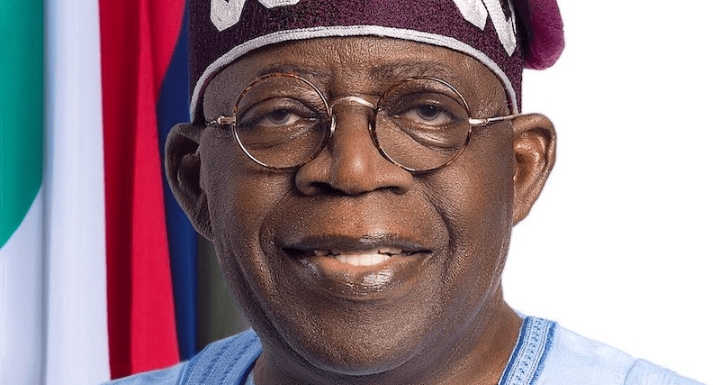
Tinubu to Commission $400m Rivers Crude Export Terminal
PORT HARCOURT – President Bola Ahmed Tinubu will on October 8 inaugurate the $400 million Otakikpo Onshore Crude Oil Export Terminal in Rivers State, the first new crude export facility to be built in Nigeria in more than five decades.
The facility, developed by Green Energy International Limited (GEIL), operators of the Otakikpo field in Oil Mining Lease (OML) 11, Ikuru Town, Andoni Local Government Area, is the first wholly indigenous onshore crude oil terminal in the country. The last such facility, the Forcados Terminal, was commissioned in 1971.
According to GEIL, the terminal is designed to ease Nigeria’s long-standing crude evacuation bottlenecks, a major hurdle to meeting the Federal Government’s production target of three million barrels per day.
A statement signed by GEIL’s Executive Director of Legal and Corporate Services, Olusegun Ilori, on Thursday said the project “is a strategic infrastructure that supports the administration’s commitment to raising output while reducing costs.”
The inauguration is expected to draw top government officials, including the Minister of State for Petroleum (Oil), Senator Heineken Lokpobiri, Rivers State Governor Siminalayi Fubara, and key stakeholders in the oil and gas industry.
With an initial storage capacity of 750,000 barrels, expandable to three million barrels, and a loading capacity of 360,000 barrels per day, the Otakikpo terminal is projected to lower production costs for indigenous producers and serve as a lifeline for over 40 stranded oil fields.
GEIL Chairman and Chief Executive, Professor Anthony Adegbulugbe, described the facility as a “game-changing national infrastructure.”
“What we have achieved here is not just a storage solution, but a pathway for about 40 stranded oil fields to finally contribute to the economy,” Adegbulugbe said.
The commissioning comes at a time when Nigeria is seeking to restore investor confidence in its oil sector, which has been hampered by declining output, pipeline vandalism, crude theft, and rising operational costs in recent years.


