
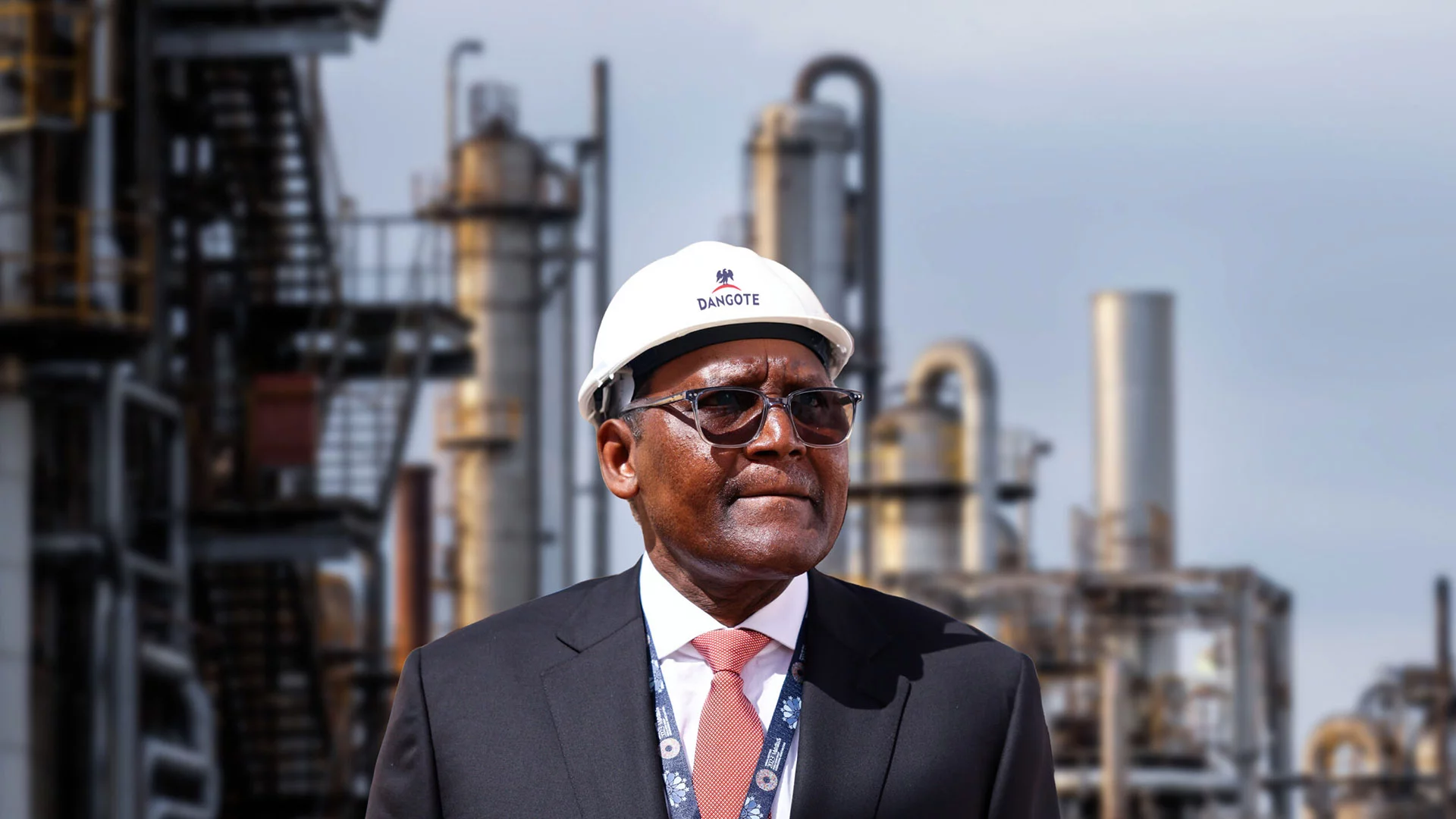
Dangote Refinery Announces Petrol Price Reduction to N890 per Litre
Dangote Refinery has announced a reduction in its selling price of petrol to retailers, dropping the ex-depot price from N950 per litre to N890 per litre, effective from Saturday, February 1, 2025.
The company’s Group Chief Branding and Communication Officer, Anthony Chiejina, made the announcement in a statement on Saturday night, explaining that the decision was a direct response to positive developments in the global energy and gas markets, as well as recent declines in international crude oil prices.
This price adjustment means that marketers will now purchase petrol from Dangote Refinery at N890 per litre. Marketers will then add their transportation costs and profit margin to set the final retail price. As a result, the price of petrol at filling stations is expected to drop from approximately N1,000 per litre to around N950 at stations sourcing from Dangote.
This price reduction follows a recent increase in petrol prices by Dangote Refinery. On January 17, 2025, the company raised the gantry price to N955 for quantities between 2 million and 4.99 million litres, and N950 for quantities above 5 million litres.
Chiejina emphasized that the price revision reflects fluctuations in the global crude oil market and highlighted Dangote Refinery's commitment to transparency and fairness in pricing. He expressed confidence that this reduction would have a positive impact on the cost of goods and services across the country, contributing to a decrease in the overall cost of living.
Additionally, Chiejina urged marketers to ensure that the benefits of the price reduction are passed on to consumers, reinforcing the refinery’s role in supporting Nigeria’s economic recovery plan. He also noted that the reduction aligns with President Bola Ahmed Tinubu’s goal of making Nigeria self-sufficient in refined petroleum products and strengthening the nation’s position as a leading oil exporter.
Dangote Refinery, a key supplier of petrol for local consumption, continues to play a significant role in Nigeria’s fuel market, alongside supplies from the NNPC and imports by other marketers.


