
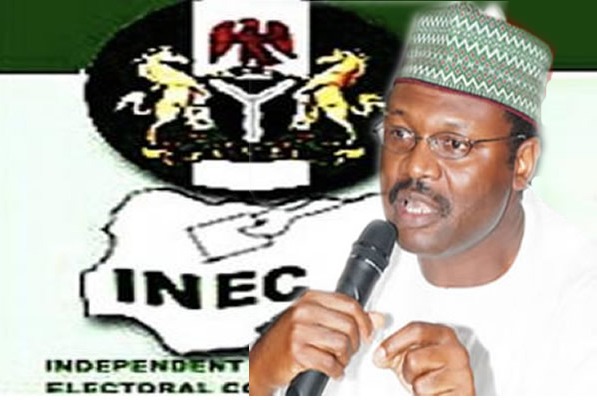
INEC Explains Slow Prosecution of Election Offences
The Independent National Electoral Commission (INEC) has provided reasons for the slow pace of prosecution of electoral offences in Nigeria.
Speaking at the first regular quarterly consultative meeting with the media in Abuja on Friday, INEC Chairman, Prof. Mahmood Yakubu, highlighted key obstacles to the timely dispensation of justice.
Yakubu explained that a significant challenge is the absence of time-bound provisions for electoral offences, unlike post-election offences handled by tribunals.
As a result, many cases are not prioritized and often carry over from one general election to another, causing delays in their resolution.
He cited the example of the recent successful prosecution of a Returning Officer in Akwa Ibom State, which stemmed from the 2019 General Election. The case took nearly six years to reach a successful conclusion in the trial court.
Despite this, Yakubu noted that INEC, in collaboration with the Nigerian Bar Association (NBA), is currently pursuing cases involving 774 alleged offenders from the 2023 General Election.
Some successes have been recorded in Kebbi and Kogi states, while efforts with the Economic and Financial Crimes Commission (EFCC) on vote-buying have yielded positive results in Lagos, Kwara, and Gombe states.
Yakubu also pointed out that electoral offences are exclusively prosecuted by Magistrate and State High Courts in the jurisdictions where the alleged offences occurred, often resulting in delays as these courts handle various other cases.
To address this, he reiterated INEC's call for the establishment of an Electoral Offences Tribunal with specific jurisdiction and timeframes to ensure swift justice. He also urged the media to join in advocating for this reform to strengthen Nigeria's electoral democracy.


